

A smart toilet can elevate your bathroom experience with innovative features such as heated seats, bidet features, self-cleaning technology, and automated flushing. But prior to purchasing one, there are several extrinsic factors that must be taken into consideration in order to have a hassle-free installation and seamless long-term performance.
Voltage & Outlet Specifications for Smart Toilets:
Voltage Specifications
Typical Household Voltage in the U.S.:110V – 120V
Outlet location limitations:
- As per NEC Section 406.9(C), outlet installations adjacent to a bathtub or shower are not permitted:
Outlets cannot be installed within 3 feet horizontally (about 0.9 meters) and 8 feet vertically (about 2.5 meters) in front of the edge of a bathtub or shower.
Exceptions:
For smart toilets or electronic toilets for private hygiene purposes, single outlets can be installed in one of the following positions:
Behind the toilet but not behind the tank.
On the wall opposite to the toilet from the bathtub or shower.
These exceptions are intended to offer assurance that the power connection of smart toilets is safe and code compliant.
Outlet height recommendations:
Although the NEC does not specify mandatory requirements for the installation height of outlets, industry practice generally recommends:
The outlet bottom is 12 to 18 inches (approximately 30 to 45 cm) off the ground. For intelligent toilets, the socket should be arranged in a convenient location for it to be accessed easily for insertion of the power cord, either behind or at the side of the toilet but not in immediate contact with water supply. Also, all bathroom sockets should be supplied with GFCI (ground fault circuit interrupter) protection in order to prevent electric shock accidents.
Measure Your Bathroom Space
Prior to choosing a bidet seat or smart toilet, measure the size of your current toilet configuration to guarantee proper fit.
Rough-In Measurement: The rough-in is the measurement from the wall to the floor drain of the toilet. Standard in the U.S. is 12 inches, but sometimes homes will have 10-inch or 14-inch rough-ins. Take your time measuring before buying.
Toilet Shape and Size: Smart toilets are available in various shapes, such as elongated and round bowls. Make sure the new one will fit comfortably in your bathroom without hindering cabinets or doors.
Bidet Seat Compatibility: When replacing your old toilet with a smart bidet seat, make sure to verify the shape and mounting hole distance for compatibility.
Water Supply Requirements
A smart toilet or bidet seat requires an available and consistent water supply.
Shut-Off Valve: Ensure your bathroom has a particular shut-off valve near the toilet.
T-Valve Adapter: If installing a bidet seat, check if you need a T-valve adapter to connect to your existing water supply.
Hose Length: Ensure the water supply hose is long enough to reach the point of connection.
Drainage and Plumbing Compatibility
Different toilets come with different drainage systems, hence the need to find a smart toilet that is compatible with your house's plumbing.
Floor Drain vs. Wall Drain: The majority of U.S. homes are equipped with a floor drain, but custom or older homes feature a wall drain system. Ensure your model selection will be compatible.
Waste Pipe Condition: When replacing an older toilet, check your waste pipe for blockages or damage that may hinder proper drainage.
Water Pressure Requirements and the Role of a Built-in Water Tank
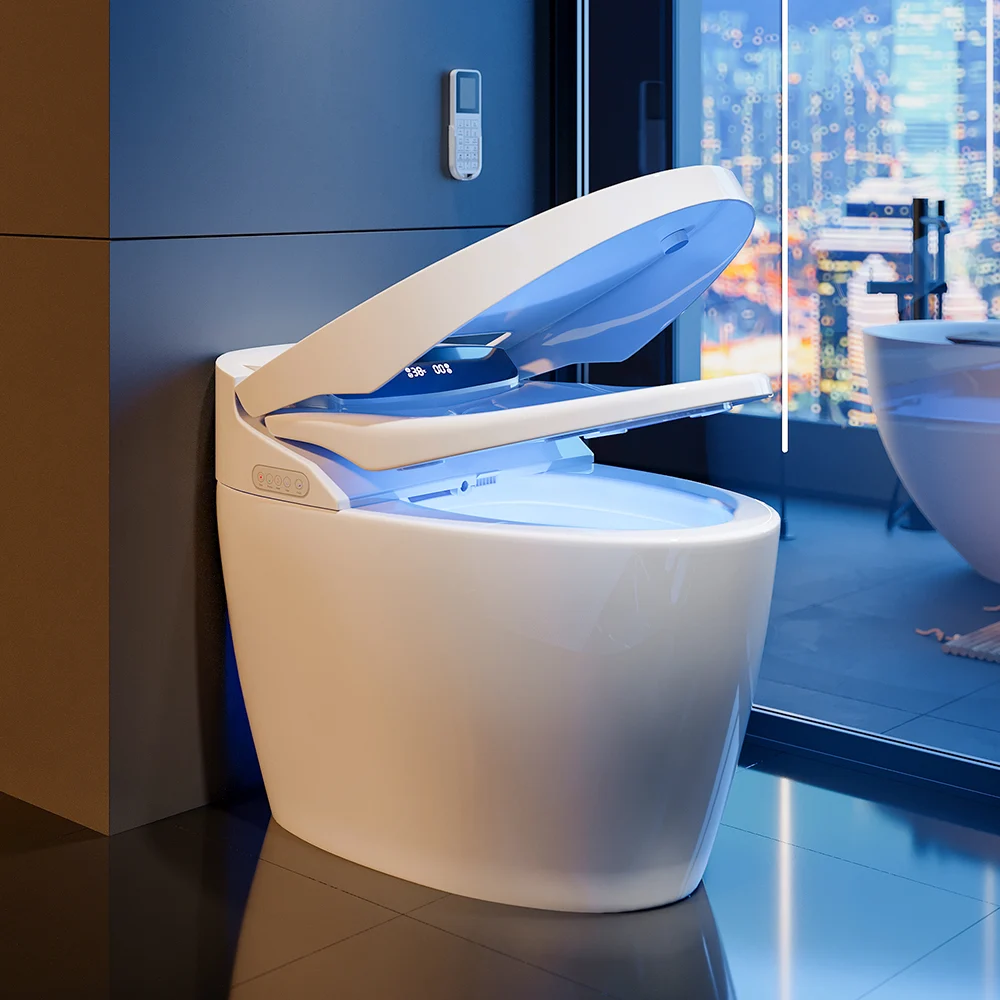
Intelligent toilets use water pressure for proper flushing and bidet operations.
Standard U.S. Water Pressure: Standard water pressure in the majority of residences ranges from 40 to 60 PSI (pounds per square inch).
Low Water Pressure Solutions:
If you live in a high-rise building or low-pressure zone, consider a model with a built-in booster pump for enhanced performance.
Integrated Water Tanks Smart Toilets are fitted with tanks to store water for flushing and bidet functions and are ideal for houses with low or fluctuating water pressure. The toilets give a constant, powerful flush regardless of the change in water supply.
Bathroom Space and Environment
Installation space for proper installation to allow for working and maintenance of the smart toilet.
Clearance Space: Provide ample space around the toilet for lid opening, use of the remote control, and comfort of the user.
Ventilation: Ventilated bathroom prevents excess moisture from damaging the electronic components of the toilet.
Smart Features: Choose top-end features like automated flushing, heated seats, self-cleaning nozzles, air drying, night lights, and smartphone control to enhance your experience.
Once you’ve determined the external requirements for your smart toilet, focus on selecting the features that best suit your needs.
What is a Smart Toilet? Why is it Useful?
A smart toilet is an extremely modern bathroom fixture that provides enhanced comfort and hygiene. Automatic cleaning, heated seats, and warm air drying are some of the features that provide a toilet experience unlike any other. Other conveniences like night lights render smart toilets particularly useful for families with seniors, kids, or women. Variable water flow rates assist in the conservation of water, and these toilets are not only cost-saving but also environmentally friendly. Antibacterial designs also offer an added advantage of peace of mind for individuals afflicted with anorectal diseases.
Standard Features of Smart Toilets
Modern smart toilets have functional and convenient features. While there is no similar model, the following features are common to all brands to a certain extent:
High-Efficiency Flushing
Smart toilets maximize flushing performance with minimal water. Dual-flushing mechanisms are available in most models for optimal efficiency. Automatic or hands-free flushing adds another level of convenience.
Heated Seats
With an adjustable temperature control, typically ranging from room temperature to around 40°C, users may preset their personal comfort levels. This is especially a convenient feature in cold weather.
Deodorization System
Some smart toilets are equipped with exhaust systems that remove odors and purify the air, making the bathroom smell fresh—a wonderful feature for shared spaces.
Warm Air Drying
Some models include a warm air drying function, reducing toilet paper usage and enhancing comfort.
Quiet-Close Toilet Seats
Smart toilets often have slow-closing seats that prevent slamming noises. Some even open and close automatically with motion sensors or hand movement.
Self-Cleaning Bowls
The majority of smart toilets possess UV light or electrolyzed water cleaning systems that provide hygiene by sanitizing the bowl. Automatic deodorization is also a convenient feature, particularly in public restrooms.
Electronic/Sensor Controls
For households with elderly individuals or pregnant women, sensor-activated lids provide more convenience with automatic opening and closing.
LED Night Lighting
LED lighting in the bowl eliminates blinding overhead lights for those midnight trips to the bathroom, which is a more enjoyable experience.
Advanced Features of Smart Toilets
In addition to the standard attributes, modern intelligent toilets feature modern technologies that support comfort, cleanliness, and convenience:
This feature cleverly adjusts the seat temperature for utmost comfort in all seasons.
- Winter Warmth: Warms the seat to a comfortable heat to keep one warm during cold weather.
- Summer Cooling: Lowers the seat to a cool temperature to prevent overheating during hot seasons.
- Smart Adaptation: Automatically adjusts the heating or cooling based on surrounding temperature for a seamless experience.
Foam Shield
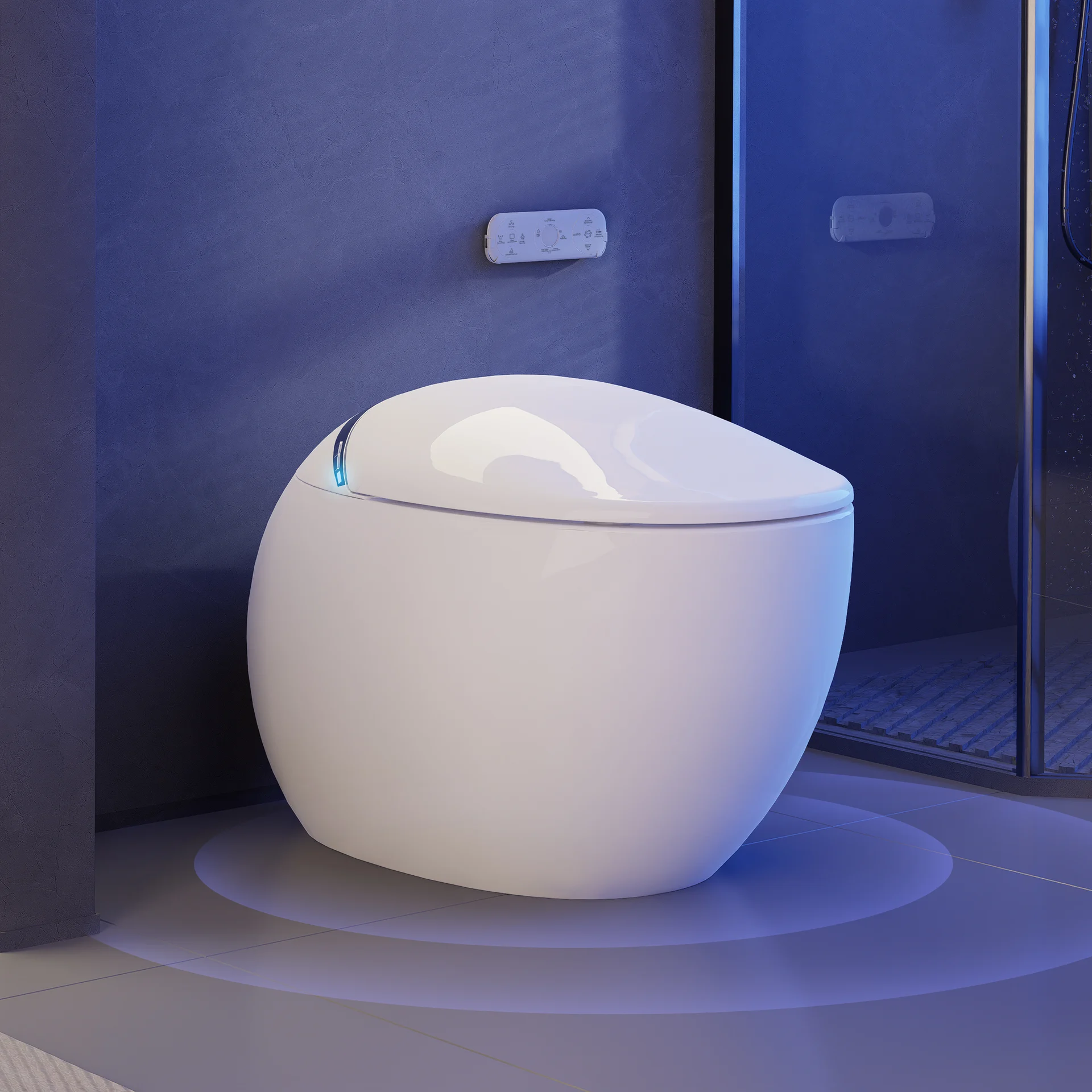
Foam shield function introduces hygiene and cleanliness through the creation of a foam cover on the surface of the toilet water before use.
- Hygienic Barrier: Creates a foam covering that prevents contact between waste and the bowl, reducing stains and bacterial development.
- Splash Prevention: Soaks up the impact of waste falling into the water, minimizing splashes and keeping it clean.
- Odor Control: Contains odors within the bowl so that they cannot spread and produce bad odors.
Fragrance System
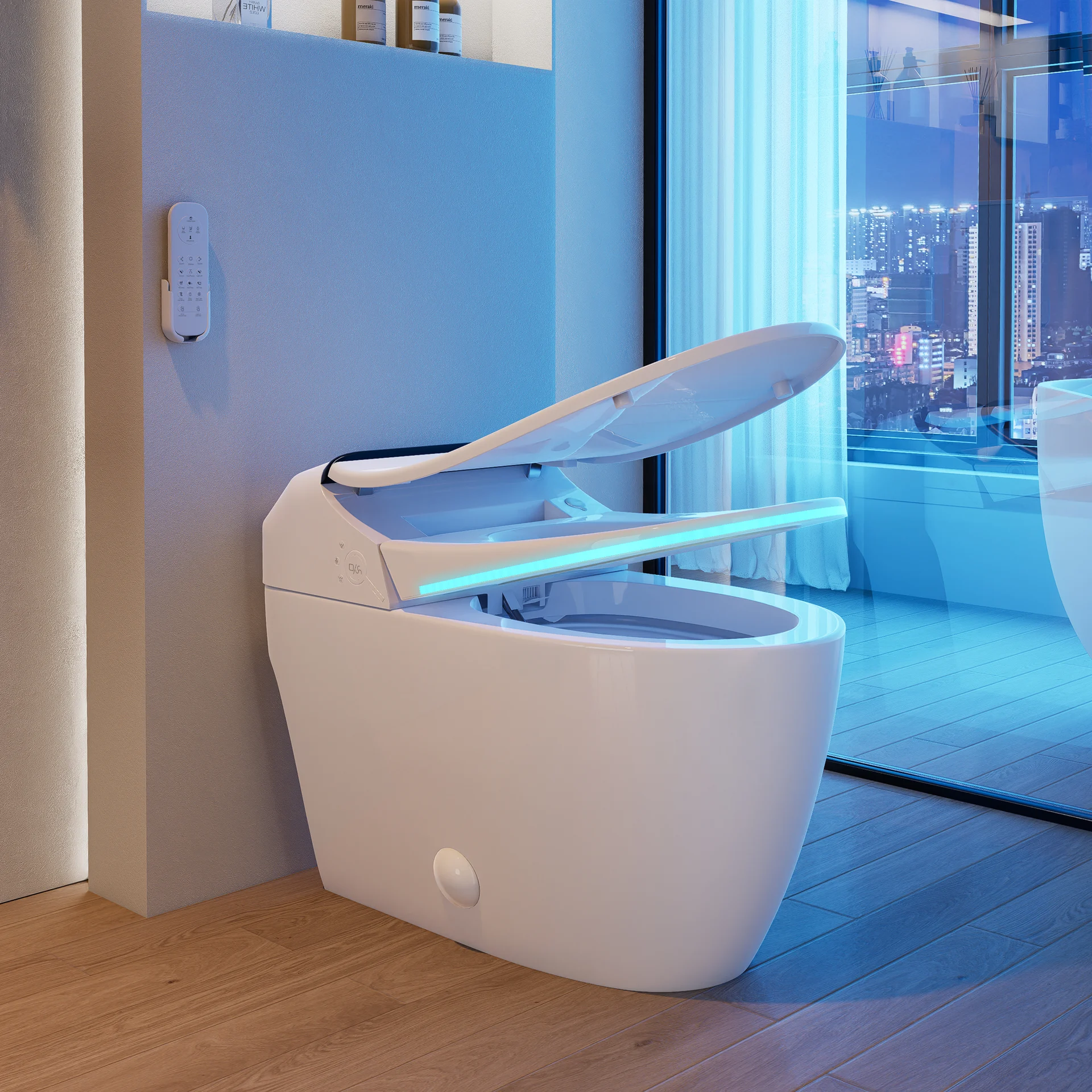
Built-in fragrance system keeps the bathroom environment clean and fresh.
- Automatic Scent Release: Dispenses a light scent each time it is used, constantly providing a fresh atmosphere.
- Customizable Scents: Allows users to select and change different scents according to personal preferences.
- Odor Neutralization: Supplements the deodorization system for eliminating foul odors effectively.
User Memory Function
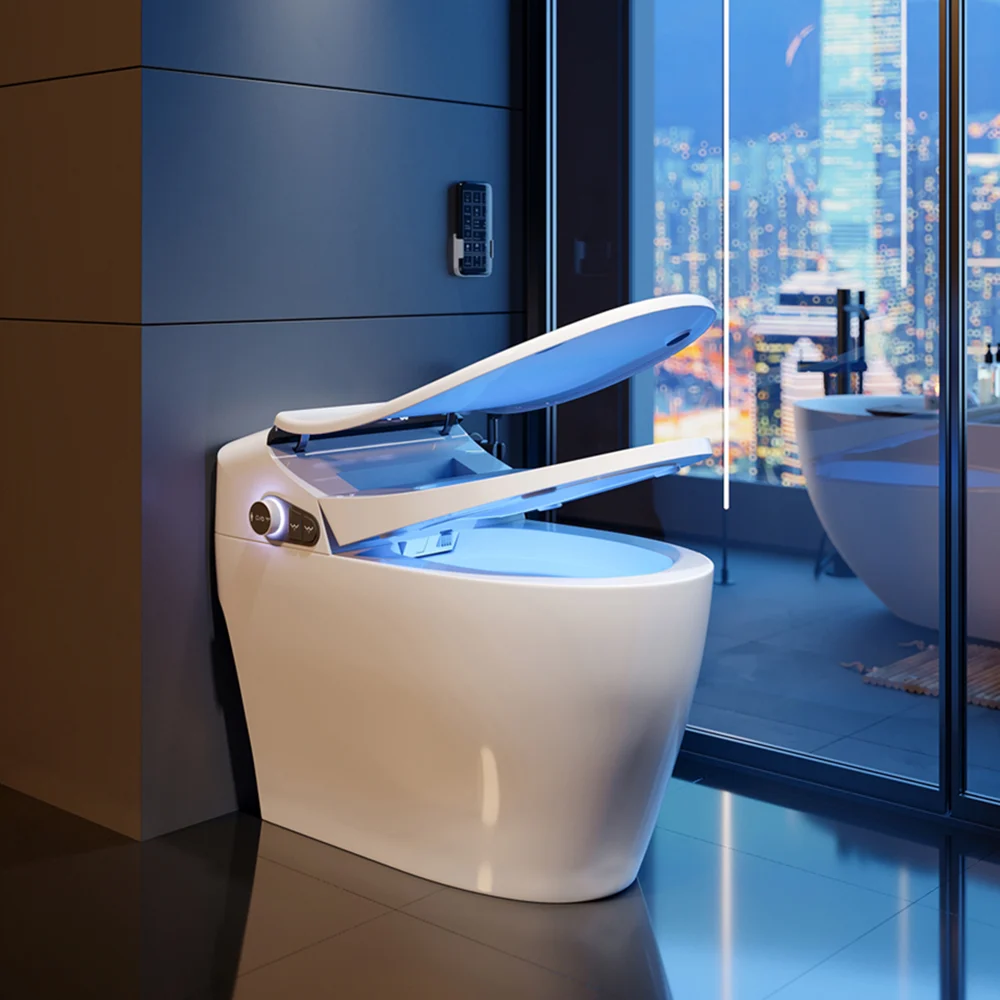
The intelligent toilet is able to remember user preferences and settings in order to provide a personalized experience.
- Personalized Seat Temperature: Recalls the preferred seat heating or cooling level of individual users for instant comfort.
- Customized Water Pressure & Spray Position: Automatically changes the bidet spray mode based on each user's saved preferences.
- One-Touch Convenience: Users can activate their saved settings with a single touch, sparing them from manually adjusting every time.
Benefits of a Smart Toilet
Eco-Friendly Design
Smart toilets are designed to save water, making them ideal for drought-ridden areas like California. The bidet function significantly reduces the use of toilet paper, which is beneficial to the planet and your wallet.
Improved Hygiene
With hands-free flushing, self-cleaning bowls, and bidet function, smart toilets minimize contact, reducing the transmission of germs and facilitating bathroom cleanliness.
Enhanced Comfort and Convenience
Features such as heated seats, quiet-close lids, and LED lights enhance more comfortable and enjoyable daily bathroom experiences. Such features can enhance nighttime usability and minimize disruption to other household members.
How to Select the Ideal Smart Toilet
With so many features and similar designs, selecting the ideal smart toilet can be intimidating. The following is an overview of the key considerations:
1. Heating Method
● Instant Heating: More energy efficient with less electricity cost but requires more complex installation and potential repairs.
● Storage Heating: Maintains constant temperatures but requires longer time to reheat and additional electricity use.
2. Flushing Method
● Direct Flush: Faster and hygienic but uses more water and noisier.
● Siphon Flush: Quieter and more water-conserving but may require frequent cleaning to prevent the buildup of bacteria.
3. Tank Design
- With Tank: Ensures steady water pressure but takes up more space.
- Tankless: Space-saving and more hygienic but requires stable water pressure.
4. Nozzle and Water Flow Design
●Material Options: Stainless steel, plastic, or ceramic nozzles with automated cleaning.
●Adjustable Spray: Rear and front cleaning with adjustable pressure and direction.
Is a Smart Toilet Suitable for Your Home?
Before making a purchase, consider the features that best suit your household’s needs, bathroom space, and budget. Choosing a reliable distributor with maintenance services can help prevent unnecessary repair costs in the future.
Investing in a smart toilet offers long-term convenience, hygiene, and sustainability. Whether upgrading your bathroom for comfort or eco-friendliness, a smart toilet is a worthwhile addition to any modern home.